Knowing your numbers is one of the most important parts of running a business, building success and creating profitability. To consistently stay on top of it, every entrepreneur should get into the practice of a weekly money review because it allows you to turn insight into actionable decisions that support business growth.
Why entrepreneurs need a weekly financial review.
Once you get to the end of the month, you can’t do anything about the numbers. But doing regular weekly financial reviews creates immediate awareness and allows you to adjust accordingly to make a positive impact on your numbers before the month’s end. This is a core component of running a successful business.
It is especially important for meeting and exceeding sales goals and managing profitability.
A weekly financial review will tell you when you are short on your weekly sales targets and reveal exactly how far you are away from them. This allows you to proactively decide on the most appropriate action for your business to close the gap on the shortfall in the coming week(s) and get back on track.
Could you focus on:
- Converting more clients?
- Increasing your average sale?
- Increasing pricing?
- Selling something new and of value to existing clients?
Consistently conducting weekly financial reviews will also help you to stay on top of:
- Expenses
- Sales to wages ratios
- Business cash flow
- Spending patterns
- Identifying trends and anomalies
- And more
By being proactive and dealing with any small financial issues right away, you give yourself the opportunity to stop them from becoming major problems in the future—which is a key aspect of building long-term profitability in your business.
Understanding Cash flow for short-term financial stability.
Creating positive cash flow is an area where many small businesses can struggle if they are not aware of their numbers. Having a lot of money coming in does not necessarily mean you have cash flow in your small business. It is important to consistently balance your available cash reserves with your upcoming expenses on an ongoing basis to achieve both short-term and long-term financial stability.
Cash flow is directly affected by costs for things like:
- Product purchases
- Marketing
- Wages
- Debt or loan repayment (CLICK HERE to learn more about building wealth with good debt.)
- Vehicle maintenance
- Rent
- Shipping
- And more

When you have more money coming in than you have going out, you have a positive cash flow.
Conducting a weekly financial review will help you stay on top of your cash flow and business expenses, as you maintain excellent small business financial management.
Identifying opportunities and making strategic adjustments.
When you are diligent about tracking your numbers, you can also make immediate strategic adjustments to budgets and spending priorities, and look for profitable investments to help your business grow.
When cash flow is tight, you may want to consider:
- Delaying purchases of extra inventory
- Reducing prices on inventory that has been sitting for too long to move it out
- Asking for adjustments in payment terms to suppliers
- Postponing research and development projects
- Freezing non-essential travel
- Limiting expenses
- Prioritizing accounts receivable
Every small shift you make can make a big difference to your cash flow and your bottom line.
Additionally, by conducting a regular review of your business finances, you will also know how much money you have to invest in new opportunities to grow your business.
This can include things like:
- Product development
- Marketing costs and new market expansion
- Strategic partnerships
- Franchising
- White-labeling
- Subscription models
- Automated lead generation
- Courses or group training
There are so many ways you can capitalize on new opportunities for your business when you know what to look for and understand the kind of capital you need on hand to make it successful.
It all starts with knowing your numbers and doing weekly financial reviews.
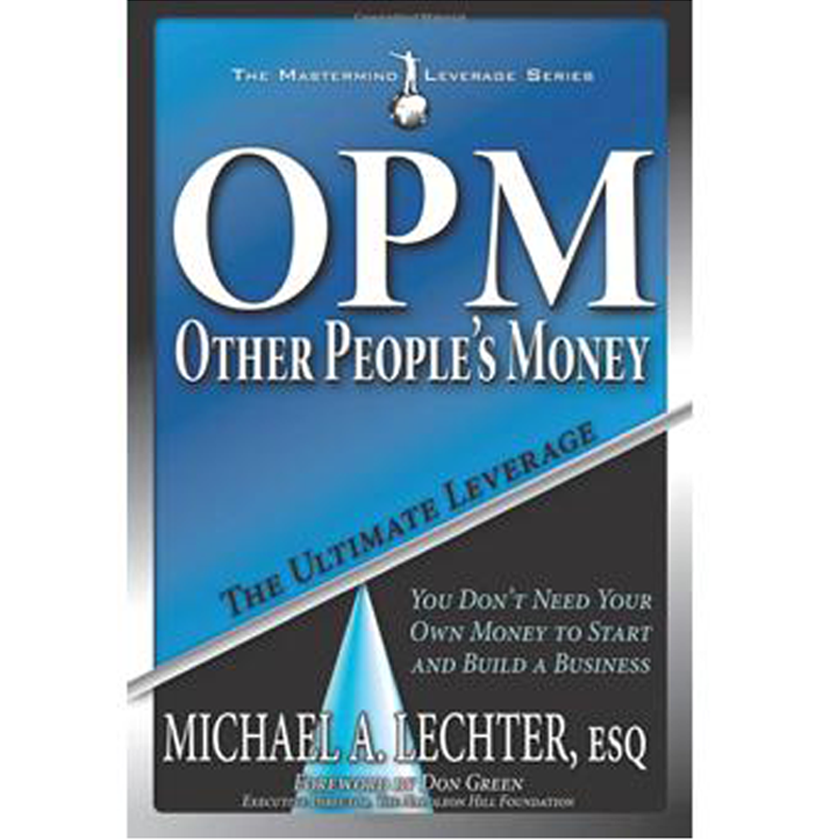
Did you know you can also build value in your business by using Other People’s Money?
My husband, Michael Lechter, ESQ, gives you everything you need to know about using Other People’s Money to achieve financial independence, make investments, attract investors and expand your streams of income in his book OPM.
It offers a unique and innovative approach that entrepreneurs will benefit from learning.